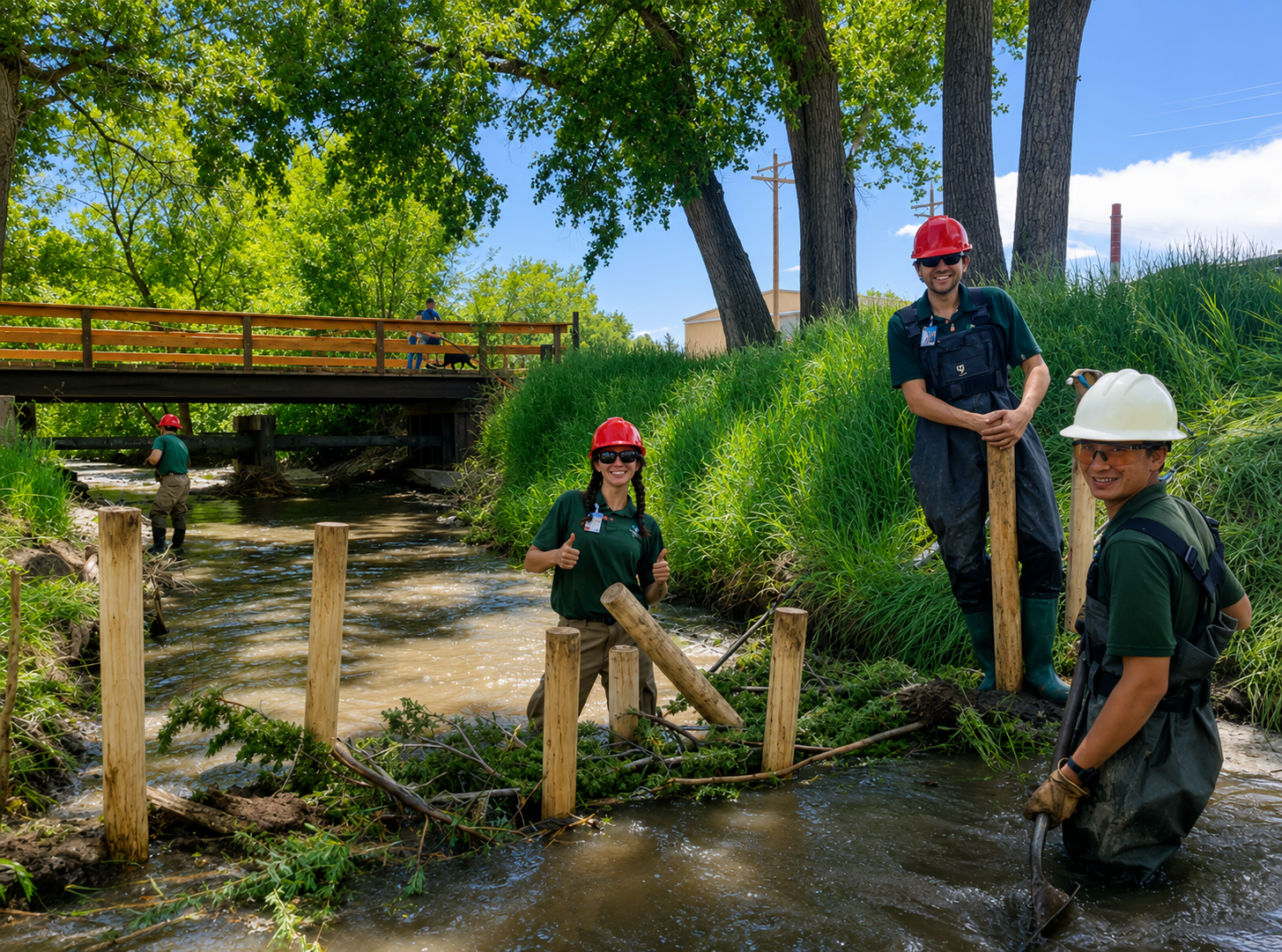
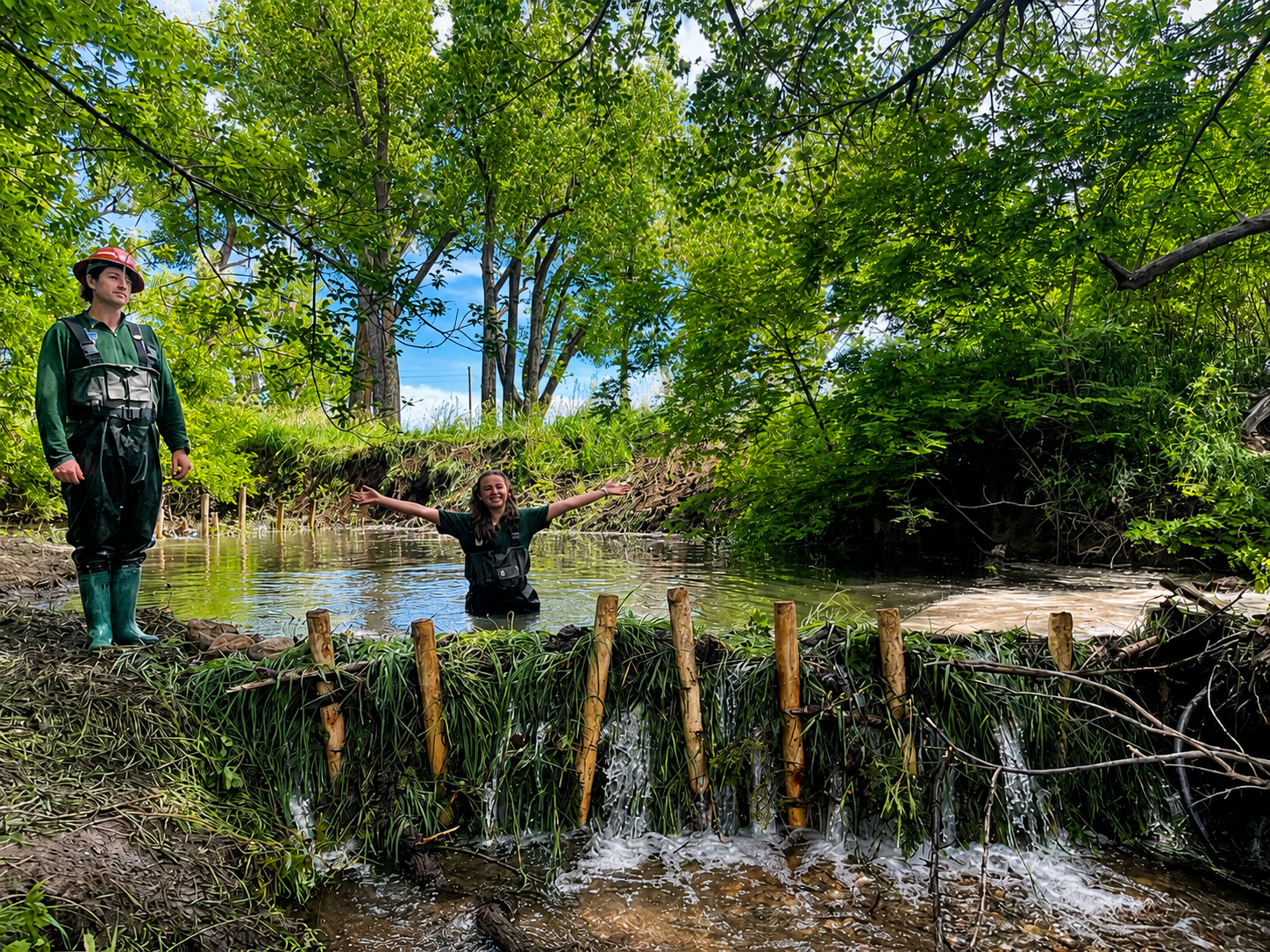
Scouts at Philmont Scout Ranch are helping restore Cimarroncito Creek by building beaver dam analogs, man-made structures that slow water, reduce erosion, and bring wetlands back to life.
By Ella Hirsch and Seth Mangini National Office of Development / Philmont Scout Ranch
The stream restoration crew at Philmont Scout Ranch is busy as beavers restoring the wetlands and creeks of the ranch. Currently focused on 3.7 miles of the Cimarroncito Creek, restoration efforts have been crafted and designed through the guidance of Seth Mangini with the Philmont stream restoration crew and built by scouts who visit the high adventure base each year.
Mangini is an Eagle Scout and geoscientist who is currently working towards his PhD. He also worked at Philmont for several seasons, where his interest in stream restoration was cultivated. The ranch sent him and his fellow conservation staff to workshops to learn restoration techniques to bring back and use at Philmont. The techniques used at Philmont are called “Process-based restoration”, or PBR. PBR techniques seek to “let the water do the work” and restore the underlying natural processes that drive stream evolution and then let the system evolve via these forces, rather than trying to engineer a channel to a specific set of specifications.
Shaped by Scouting
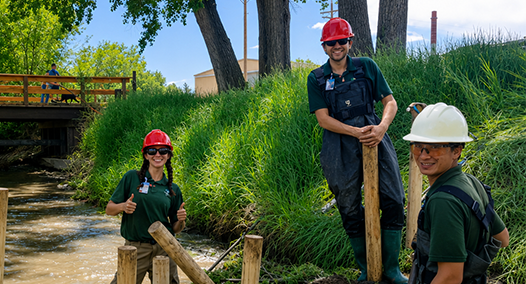
Beaver dam analogues are man-made structures designed to mimic the ecological functions of natural beaver dams. BDAs are built by driving a line of wooden posts into the stream bed with a mechanical driver and then weaving in native materials, including juniper branches, willows, mud, and rocks, to form a dam. In the absence of beavers, they work to modify streams and allow for year-round flow of water.
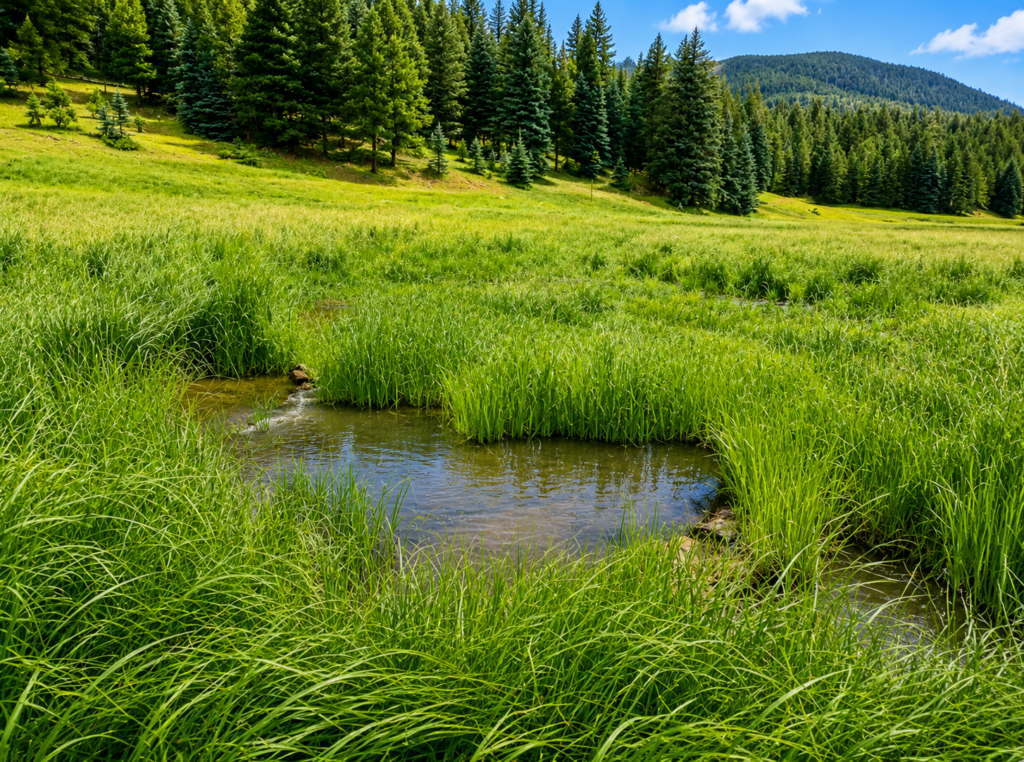
The native wetlands and creek systems of Philmont have changed over the years. This change is due to several factors, including historic overgrazing livestock during the land-grant era, human infrastructure changes such as road construction and water diversion, drought, and the loss of predators like grizzly bears and wolves. This has resulted in native herbivores, such as elk, spending more time in riparian zones than they would have historically. Over time, these factors can cause the stream to go from a more complex natural state with multiple channels, piles of natural woody debris, and year-round flow to a single narrow channel that flows only after storms. This can cause erosion, reduce available habitat for native plants and animals, and provide less water for human communities and wildlife during droughts.
Scouts assist in building BDAs during their conservation volunteer work, something that each crew that visits Philmont participates in. Scouts assist the 8-person Philmont stream restoration crew, learning about water and land restoration while creating and building the BDAs. They work together to weave and pack the posts, restoring Philmont to its more natural state. The ranch department, under Dave Kenneke, has been a strong supporter of these projects as well.
Long-term Benefits to Philmont Scout Ranch
In the future, the creation of these BDAs will bring a sustainable long-term impact to Philmont’s environment. The added support to the streams and wetlands will allow for more water storage, more niches for plants and animals to call home. It will also create a better habitat long-term for humans who will draw water downstream, as well as provide the native animals of Philmont with more drinking water. Though man made, their long-term effects and sustainability will hopefully be maintained by beavers, should they return once more to Philmont Scout Ranch.
The next time you visit Basecamp at Philmont, make sure to check out Cito Creek for a view of some of the Beaver Dam Analogs!
Roger Tate’s journey began with a simple desire to support his son. Over time, that love grew into decades of service, mentorship, and impact helping thousands of Scouts find confidence,…
Scouting America is proud to announce the election of Ricky Mason as the new National Chair of the Scouting America National Executive Board. Mason succeeds Brad Tilden, who concludes his…
Scouts at Philmont Scout Ranch are helping restore Cimarroncito Creek by building beaver dam analogs, man-made structures that slow water, reduce erosion, and bring wetlands back to life.
From annual gifts and principal giving to planned gifts and IRA distributions, there's a meaningful way for everyone to move Scouting's mission forward.